

Table of Contents
ToggleChoosing the best high school shapes a student’s academic future, social development, and career path. Parents and guardians face this decision with real stakes, the right school can spark lifelong interests, while a poor fit can leave students struggling. This guide breaks down what matters most when searching for the best high school, from academic offerings to extracurricular options. Whether a family considers public schools, private institutions, or specialized programs, understanding these factors helps make an informed choice that serves the student’s needs.
Key Takeaways
- The best high school balances strong academics, extracurricular activities, and student support services to develop the whole student.
- Class size, school culture, and commute time significantly impact a student’s daily experience and academic success.
- Look for schools offering AP courses, STEM programs, arts, and career and technical education to match student interests and goals.
- Public, private, charter, and magnet schools each offer unique advantages—choose based on the individual student’s needs, not general rankings.
- Campus visits reveal crucial details about student engagement, safety, and whether the environment fits your child’s personality.
- Ask specific questions about graduation rates, counseling resources, and college acceptance to evaluate if a school prepares students for their next step.
Key Factors to Consider When Evaluating High Schools
Finding the best high school requires looking beyond rankings and test scores. Several key factors determine whether a school will help a student thrive.
School Size and Class Ratios
Smaller schools often provide more individual attention. A school with 400 students operates differently than one with 3,000. Smaller class sizes, typically under 25 students, allow teachers to identify struggling learners quickly and challenge advanced ones.
Location and Commute
A 90-minute daily commute drains energy that could go toward assignments or activities. Consider distance, transportation options, and how travel time affects the student’s schedule.
School Culture and Environment
Every high school has a distinct atmosphere. Some prioritize competition and achievement. Others emphasize collaboration and creativity. Visit campuses to observe how students interact with each other and with staff. Does the environment match the student’s personality?
Safety and Discipline Policies
Review the school’s safety record and disciplinary approach. Schools should have clear anti-bullying policies, mental health resources, and emergency protocols. Parents can request this information directly from administrators.
Graduation and College Acceptance Rates
The best high school prepares students for their next step. Look at four-year graduation rates and where graduates attend college or enter careers. High graduation rates often indicate strong student support systems.
Academic Programs and Curriculum Options
Academic offerings separate good high schools from great ones. The best high school matches its curriculum to student interests and goals.
Advanced Placement and Honors Courses
AP classes let students earn college credit while still in high school. Schools offering 10 or more AP subjects give students flexibility to explore different fields. Honors courses provide accelerated learning without the pressure of college-level exams.
STEM and Arts Programs
Strong science, technology, engineering, and math programs prepare students for high-demand careers. Equally important are arts programs, music, theater, visual arts, that develop creativity and expression. The best high school balances both.
Career and Technical Education
Not every student heads to a four-year university. Quality CTE programs offer pathways in healthcare, technology, skilled trades, and business. These programs often include internships and industry certifications.
Special Education Services
Students with learning differences need schools equipped to support them. Ask about Individualized Education Programs (IEPs), resource specialists, and accommodation policies. The best high school creates pathways for all learners.
Language and International Programs
Foreign language offerings expand career opportunities. Some schools offer immersion programs, exchange opportunities, or International Baccalaureate diplomas. These options appeal to globally minded students.
Extracurricular Activities and Student Support Services
Academics matter, but the best high school also develops the whole student through activities and support systems.
Sports and Athletics
Athletic programs teach teamwork, discipline, and resilience. Check which sports the school offers and at what competitive levels. Some students want varsity competition: others prefer intramural or recreational options.
Clubs and Organizations
Robotics clubs, debate teams, student government, and cultural organizations give students places to belong. Schools with 20+ active clubs provide more chances for students to find their community.
Counseling and Mental Health Resources
Today’s students face significant stress. The best high school employs counselors who handle both academic planning and emotional support. Ask about counselor-to-student ratios, the American School Counselor Association recommends 250 students per counselor.
College and Career Guidance
Strong guidance programs start early, not just in senior year. Look for schools that help students explore careers, prepare for standardized tests, and complete college applications.
Tutoring and Academic Support
Peer tutoring programs, after-school help sessions, and learning centers help struggling students catch up. These resources often make the difference between passing and failing a difficult course.
Public vs. Private High Schools: Making the Right Choice
The public-versus-private debate has no universal answer. Each option has distinct advantages depending on family circumstances.
Public High Schools
Public schools cost nothing in tuition and must accept all students in their district. They typically offer diverse student populations and a wide range of programs. Many public schools rank among the best high school options nationally, especially magnet schools and exam schools.
Private High Schools
Private schools charge tuition but often provide smaller classes, specialized curricula, and specific religious or philosophical approaches. They have more flexibility in hiring and curriculum decisions. Financial aid and scholarships can offset costs for qualifying families.
Charter and Magnet Schools
These public alternatives offer specialized focuses, arts, STEM, college prep, without tuition costs. Admission may require applications or lottery selection. They bridge the gap between traditional public and private options.
Cost Considerations
Private school tuition ranges from $10,000 to $50,000 annually. Families should weigh this investment against outcomes. Does the private school provide significantly better opportunities than the local public option? Sometimes yes, sometimes no.
Making the Decision
The best high school is the one where a specific student will succeed. A student who thrives with structure might excel in a traditional private school. A creative student might flourish in an arts-focused public magnet.
Questions to Ask During High School Visits
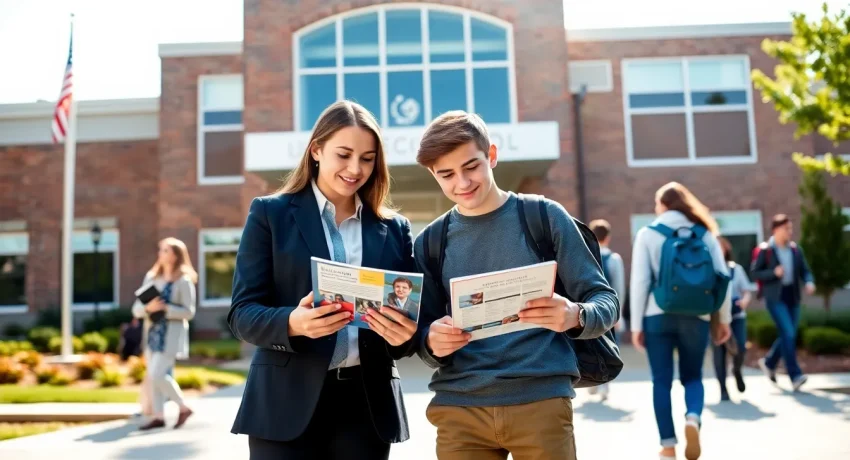
Campus visits reveal what websites and brochures cannot. Prepare questions that get honest answers about whether a school could be the best high school for your student.
Questions About Academics
- What is the average class size?
- How do teachers handle students who struggle or need extra challenge?
- What percentage of students take AP or honors courses?
- How does the school measure academic progress?
Questions About Student Life
- What clubs and activities have the highest participation?
- How does the school handle bullying or conflicts between students?
- What do students do during lunch and free periods?
- How would you describe the typical student here?
Questions About Support Services
- What mental health resources do students have access to?
- How early does college counseling begin?
- What happens when a student falls behind academically?
- How do you support students with learning differences?
Questions About Outcomes
- What is the four-year graduation rate?
- Where do most graduates attend college?
- How many graduates enter the workforce directly after graduation?
- What accomplishments are you most proud of?
Observe During Your Visit
Watch how students interact. Are they engaged in classes? Do they seem comfortable approaching teachers? Does the campus feel welcoming? These observations often tell more than any answer to a question.

