

Table of Contents
ToggleMental health for kids & teens techniques matter more than ever. According to the CDC, nearly 1 in 5 children aged 3–17 has a mental, emotional, or behavioral disorder. That’s a staggering number, and it’s growing.
The good news? Young people can learn skills to manage stress, process emotions, and build resilience. These mental health techniques don’t require expensive equipment or years of training. They start with awareness, practice, and support from the adults in their lives.
This guide covers practical strategies that parents, educators, and caregivers can share with children and teenagers. From mindfulness exercises to healthy coping habits, these approaches help young people develop the emotional tools they’ll carry into adulthood.
Key Takeaways
- Nearly 1 in 5 children aged 3–17 has a mental, emotional, or behavioral disorder, making mental health techniques for kids & teens more essential than ever.
- Simple mindfulness practices like “balloon breathing” and the 5-4-3-2-1 grounding method can calm anxious children within minutes.
- Building emotional literacy by teaching children precise feeling words helps them articulate their experiences and reduces behavioral issues.
- Physical activity, creative outlets, and consistent routines are powerful everyday coping strategies that support young people’s mental health.
- Warning signs like persistent sadness, withdrawal from activities, or talk of self-harm indicate when professional support is needed.
- Teaching mental health for kids & teens techniques early creates a foundation for self-regulation and healthier relationships in adulthood.
Why Mental Health Matters in Childhood and Adolescence
Childhood and adolescence shape the brain in significant ways. During these years, neural pathways form that influence how a person handles stress, relationships, and self-perception for decades to come.
Mental health for kids & teens techniques address these developmental stages directly. A child who learns to identify and manage emotions at age 8 has a major advantage over one who never receives that guidance. Research from the American Psychological Association shows that early intervention reduces the likelihood of chronic mental health issues later in life.
Young people face unique pressures today. Social media, academic expectations, and global uncertainty create stress that previous generations didn’t experience at the same intensity. The adolescent brain is still developing its prefrontal cortex, the region responsible for decision-making and impulse control. This biological reality means teenagers need extra support during emotional challenges.
Teaching mental health techniques early creates a foundation. Kids who practice these skills become adults who can self-regulate, communicate needs, and maintain healthier relationships.
Mindfulness and Relaxation Practices
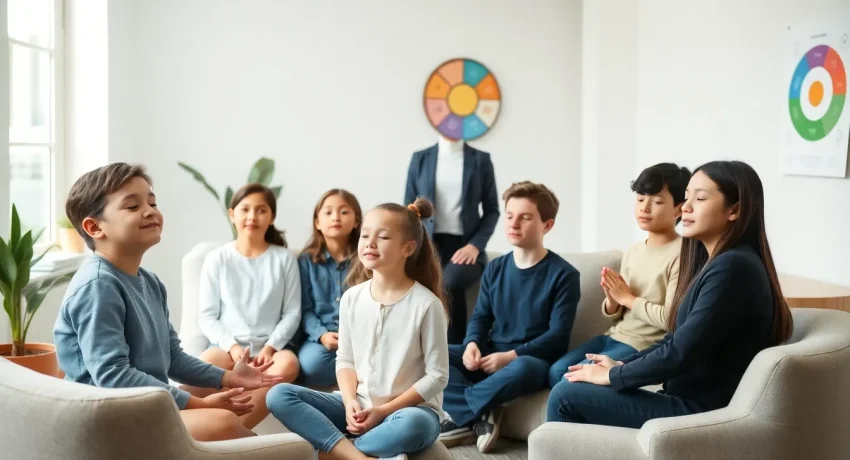
Mindfulness sounds complicated, but it’s actually simple. At its core, mindfulness means paying attention to the present moment without judgment.
For children, this can start with basic breathing exercises. The “balloon breath” technique works well: kids imagine inflating a balloon in their belly as they inhale slowly, then releasing the air as they exhale. Three to five repetitions can calm an anxious child within minutes.
Teenagers often respond to body scan meditations. These involve lying down and mentally checking in with each body part, from toes to head. Apps like Headspace and Calm offer guided versions designed for younger users.
Progressive Muscle Relaxation
This technique teaches kids to tense and release muscle groups systematically. Starting with the feet and moving upward, children squeeze muscles for five seconds, then relax them completely. The contrast between tension and release helps them recognize what calm feels like in their bodies.
Grounding Exercises
The 5-4-3-2-1 method helps during moments of panic or overwhelm. Kids identify five things they can see, four they can hear, three they can touch, two they can smell, and one they can taste. This mental health technique for kids & teens redirects focus from anxious thoughts to immediate sensory experience.
Consistency matters more than duration. Five minutes of daily practice creates stronger results than occasional hour-long sessions.
Building Emotional Awareness and Expression
Many children struggle to name their emotions. They know something feels wrong but can’t articulate whether it’s anger, disappointment, fear, or sadness. This gap creates frustration and often leads to behavioral issues.
Emotional literacy starts with vocabulary. Parents and teachers can introduce feeling words beyond “happy,” “sad,” and “mad.” Words like “frustrated,” “overwhelmed,” “jealous,” “embarrassed,” and “anxious” give kids precise language for their internal experiences.
Feeling wheels or emotion charts provide visual aids. These tools display dozens of emotions organized by category, helping young people pinpoint exactly what they’re experiencing.
Journaling for Expression
Writing offers a safe outlet for processing difficult emotions. Kids don’t need to produce polished entries, scribbling thoughts on paper counts. Some children prefer drawing their feelings instead. Both methods externalize internal experiences, which reduces their intensity.
Teenagers may benefit from prompt-based journaling. Questions like “What made me feel proud today?” or “What’s worrying me right now?” provide structure for reflection.
Talking About Feelings
Adults model emotional expression. When parents say things like “I felt frustrated when that happened” or “I’m feeling anxious about tomorrow,” children learn that discussing emotions is normal and acceptable.
Active listening reinforces this. When kids share feelings, adults should resist the urge to immediately fix or dismiss. Simply saying “That sounds hard” validates the child’s experience.
Healthy Coping Strategies for Everyday Stress
Mental health for kids & teens techniques include practical coping strategies for daily life. Not every stressful moment requires deep therapy, sometimes a quick reset makes all the difference.
Physical activity ranks among the most effective stress relievers. Exercise releases endorphins and provides an outlet for pent-up energy. This doesn’t mean formal sports: dancing to music in the living room, jumping on a trampoline, or taking a walk around the block all count.
Creative Outlets
Art, music, and creative writing allow emotional expression without direct conversation. A teenager who won’t talk about their day might paint it instead. Building with LEGOs, playing an instrument, or writing stories can process emotions that feel too big for words.
Social Connection
Isolation worsens mental health struggles. Encouraging friendships and family time provides natural support systems. Even introverted kids benefit from meaningful connections, they may just need smaller groups or one-on-one time.
Routine and Structure
Predictability reduces anxiety. Regular bedtimes, consistent meal schedules, and established assignments routines create stability. When life feels chaotic, these anchors provide comfort.
Limiting Screen Time
Excessive screen use correlates with increased anxiety and depression in young people. Setting reasonable boundaries, especially around social media, protects mental health. This isn’t about punishment: it’s about creating space for activities that genuinely restore energy.
When to Seek Professional Support
Mental health techniques for kids & teens work well for everyday challenges. But, some situations require professional intervention.
Warning signs that indicate a child or teenager needs more support include:
- Persistent sadness lasting more than two weeks
- Withdrawal from friends and activities they previously enjoyed
- Significant changes in eating or sleeping patterns
- Talk of self-harm or suicide
- Declining academic performance
- Extreme mood swings or irritability
- Physical complaints without medical cause
These symptoms don’t automatically mean crisis, but they warrant attention. A pediatrician can rule out physical causes and provide referrals to mental health specialists.
Therapists who specialize in children and adolescents use age-appropriate approaches. Play therapy works with younger kids. Cognitive behavioral therapy (CBT) helps teenagers identify and change unhelpful thought patterns.
Seeking help is a sign of strength, not weakness. Normalizing therapy removes stigma and encourages young people to ask for support when they need it.

